
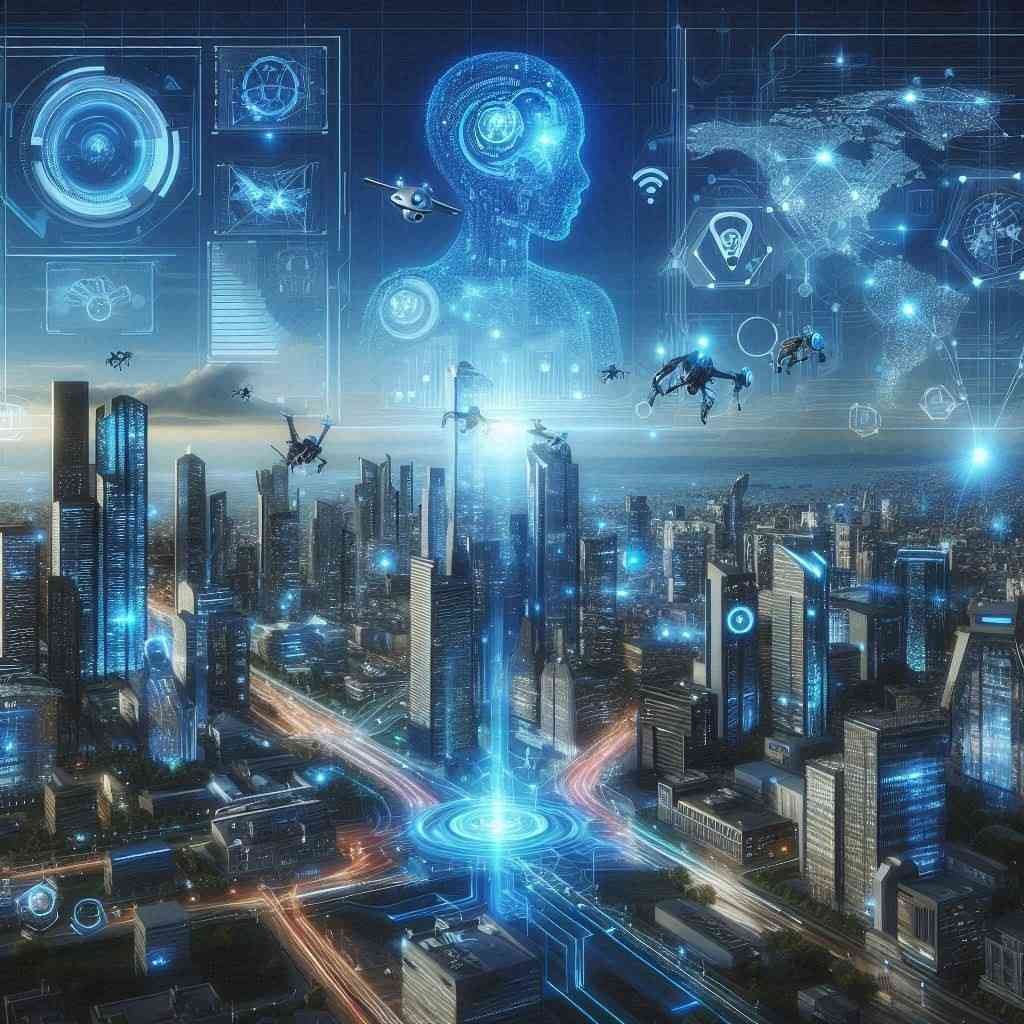
Latest Technology Trends 2026
Technology continues to evolve at an extraordinary pace, reshaping how people live, work, communicate, and do business across the globe. Every year brings innovations, but 2026 is expected to stand out because of the rapid adoption of artificial intelligence, automation, smart devices, and digital infrastructure. From healthcare and education to finance and entertainment, modern technology trends are creating opportunities that were once considered impossible.
Understanding the latest technology trends is important not only for businesses and professionals but also for students, freelancers, and everyday internet users. Staying informed helps people adapt to changes, learn new skills, and take advantage of emerging opportunities in a competitive digital world.
In this article, we will explore the most important technology trends expected to dominate in 2026 and their potential impact on society worldwide.
1. Artificial Intelligence Becoming More Practical

Artificial intelligence (AI) is no longer limited to research labs or large corporations. In 2026, AI tools will become more accessible to individuals, small businesses, and content creators. People are using AI to write content, design graphics, automate customer support, analyze data, and even create software applications without advanced technical knowledge.
One major shift is the movement from experimental AI to practical AI. Instead of just demonstrating capabilities, companies are focusing on real-world applications that save time and improve productivity. AI assistants are also becoming smarter, capable of understanding context, emotions, and complex instructions more accurately than before.
This trend is expected to increase job efficiency rather than simply replacing human workers. Many new roles are emerging in which people collaborate with AI rather than compete against it.
2. Growth of Automation and Smart Workflows

Automation technology is helping organizations reduce repetitive tasks and improve operational efficiency. Businesses are using automation tools for marketing campaigns, data entry, inventory management, and customer communication.
In 2026, automation is expanding beyond corporations into everyday life. Individuals are automating personal finances, home devices, online businesses, and even social media management. Smart workflows powered by AI are allowing people to accomplish more with fewer resources.
Business automation technologies also support remote work environments by simplifying collaboration between teams located in different parts of the world.
3. Expansion of 5G and Faster Connectivity

High-speed internet connectivity is a foundation for modern digital transformation. The continued expansion of 5G networks in 2026 is enabling faster data transfer, lower latency, and more reliable connections.
This improvement supports technologies such as
- Smart cities
- Autonomous vehicles
- Remote healthcare services
- Cloud gaming
- Internet of Things (IoT) devices
Faster connectivity also allows businesses to provide better online services, while consumers benefit from smoother streaming, gaming, and communication experiences.
4. Internet of Things (IoT) in Daily Life

The Internet of Things refers to physical devices connected to the Internet that collect and exchange data. Smart home devices such as security cameras, thermostats, wearable health monitors, and voice assistants are becoming more common worldwide.
In 2026, IoT adoption is expected to grow significantly in industries such as agriculture, manufacturing, and healthcare. For example:
- Farmers use sensors to monitor soil conditions.
- Hospitals use connected devices to track patient health.
- Factories use smart machines to improve production efficiency.
IoT technology improves convenience, safety, and decision-making through real-time data analysis.
5. Cybersecurity Becoming a Top Priority

As digital systems expand, cybersecurity threats are also increasing. Data breaches, ransomware attacks, and identity theft are major concerns for individuals and organizations.
In 2026, cybersecurity is becoming a central focus rather than an afterthought. Companies are investing heavily in advanced security tools powered by artificial intelligence to detect threats faster and prevent attacks before they happen.
Individuals are also becoming more aware of online safety practices, such as using strong passwords, enabling two-factor authentication, and avoiding suspicious links.
Cybersecurity awareness is now considered an essential digital skill for everyone.
6. Rise of Remote Work Technology

Remote work is no longer a temporary solution but a permanent part of the modern workforce. Technology platforms for communication, collaboration, and project management continue to evolve.
In 2026, virtual workspaces will become more immersive with improved video conferencing, cloud collaboration tools, and digital productivity platforms. Companies are hiring talent globally, allowing professionals to work from anywhere.
This trend is creating opportunities for freelancers, digital entrepreneurs, and remote employees around the world.
7. Advances in Healthcare Technology

Healthcare technology is experiencing major innovation through AI, wearable devices, and telemedicine services. Patients can now consult doctors online, monitor health conditions through smart devices, and receive faster diagnoses using AI-powered medical tools.
In 2026, personalized medicine is gaining attention. Treatments are increasingly tailored to individual genetic profiles and lifestyle factors, improving effectiveness and reducing risks.
Technology is also helping healthcare providers manage patient data more efficiently and deliver better care in remote or underserved regions.
8. Sustainable and Green Technology
Environmental concerns are pushing innovation toward sustainable technology solutions. Renewable energy systems, electric vehicles, energy-efficient devices, and smart infrastructure are becoming more common worldwide.
In 2026, companies are focusing on reducing carbon footprints through eco-friendly manufacturing and energy-saving technologies. Consumers are also choosing products that support environmental sustainability.
Green technology is not only beneficial for the planet but also creates new economic opportunities and industries.
9. Virtual Reality and Augmented Reality Applications
Virtual reality (VR) and augmented reality (AR) technologies are expanding beyond gaming into education, training, healthcare, and business applications.
For example:
- Students can experience interactive learning environments.
- Employees can receive realistic training simulations.
- Customers can visualize products before purchasing.
In 2026, improved hardware and software are making immersive experiences more affordable and accessible.
10. Growth of Digital Finance and Cashless Payments

Financial technology (FinTech) continues to transform how people manage money. Mobile banking, digital wallets, and contactless payments are becoming standard worldwide.
In 2026, secure digital payment systems are expanding in developing countries, promoting financial inclusion. Blockchain technology is also being explored for secure transactions and transparent record-keeping.
The shift toward cashless economies is expected to continue as technology becomes more trusted and accessible.
The Future Impact of Technology Trends
The technology trends of 2026 are not isolated innovations. They are interconnected developments shaping the future of society. Artificial intelligence supports automation, fast connectivity enables smart devices, and cybersecurity protects digital systems.
These advancements will likely create new industries, transform education, improve healthcare, and redefine how people work. However, they also require responsible use, ethical considerations, and continuous learning.
Individuals who stay informed and adapt to technological changes will have better opportunities in the future economy.
Conclusion
The year 2026 represents a significant milestone in technological progress. Artificial intelligence, automation, connectivity, cybersecurity, and digital transformation are influencing nearly every aspect of modern life.
Understanding these latest technology trends helps individuals and businesses prepare for the future, develop relevant skills, and make informed decisions. Technology will continue to evolve, but one thing remains certain: innovation will play a central role in shaping the world for years to come.
Staying curious, adaptable, and open to learning is the best way to benefit from the opportunities created by technological advancement.
References
- World Economic Forum – Future of Technology Reports
- Gartner Technology Trends Research
- International Data Corporation (IDC) Technology Predictions
- McKinsey Digital Transformation Insights
- Deloitte Technology Industry Outlook




2 Comments on “Latest Technology Trends 2026”